
.jpg)
The Tiger, the Brahman and the Jackal story with questions and answers is a sharp Indian folktale about kindness, broken promises, and quick thinking. In this fresh retelling, a gentle traveller frees a trapped tiger, then needs a clever jackal to escape the tiger’s terrible idea of gratitude. Read the complete story first. The summary, moral, vocabulary, answers, and discussion prompts follow.
The Tiger, the Brahman and the Jackal Story
A Voice Behind the Bars
Late one afternoon, a Brahman walked along a forest road toward a distant village. The heat had begun to fade. Parakeets called from the branches, and long shadows crossed the dusty ground.
Near a bend in the road, he heard a deep voice.
“Kind sir, please stop. Please help me.”
The Brahman looked around. At first he saw only bushes, rocks, and an old pipal tree. Then he noticed a heavy iron cage beneath the leaves. A tiger stood inside it.
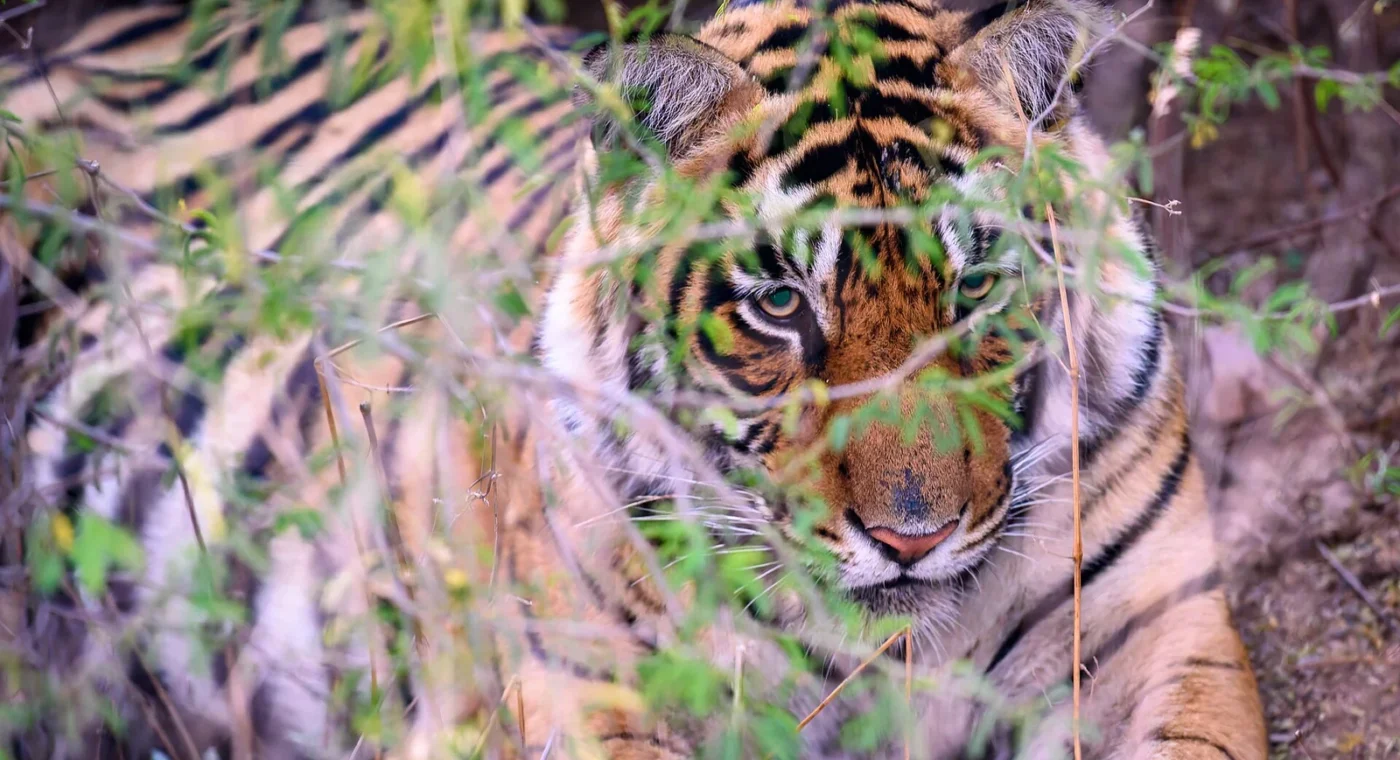
The tiger’s bright eyes followed him. His orange coat was dusty, and the iron bars had marked his face.
“A hunter left this trap here,” said the tiger. “I have been caught since morning. Open the door, and I will remember your kindness all my life.”
The Brahman stepped back.
“If I free you, you may eat me,” he said.
“Eat the person who saved me?” cried the tiger. “Never. I give you my word. I will protect you and serve you. Please do not leave me to die in this cage.”
The Brahman knew that opening the cage was dangerous. Yet he could not bear to walk away from a suffering creature. He found the latch, lifted it carefully, and pulled the door open.
The tiger sprang out.
The Tiger Changes His Promise
For a moment, the tiger stretched his legs and breathed the free air. Then he turned toward the Brahman and showed his teeth.
“I have not eaten all day,” he said. “You arrived at the right time.”
The Brahman stared at him.
“You promised not to harm me. I opened the cage because I trusted you.”
“Promises are easy when one is behind bars,” replied the tiger. “Hunger is different.”
“Then let someone else judge us,” said the Brahman. “If others believe your choice is fair, I will accept their decision.”
The tiger was proud and certain that the world would agree with him.
“Ask three judges,” he said. “After that, I shall eat.”
Three Unhappy Judges
The Brahman first spoke to the old pipal tree.
“Tree, I released this tiger after he promised to spare me. Now he wants to eat me. Is that just?”
The pipal tree shook its leaves.
“People rest in my shade,” it said. “I shelter them from rain and sun. How do they thank me? They cut my branches for fuel and pull away my leaves for animals. Why should you expect gratitude when I receive none?”
The Brahman’s heart sank. The tiger smiled.
Next they came to an old water buffalo turning a wheel beside a well.
“Buffalo, please judge our case,” said the Brahman. He explained the promise and the tiger’s betrayal.
The buffalo sighed.
“When I was young and gave rich milk, my owners fed me well. Now I am old. They tie me to this wheel and give me dry scraps. The useful are often forgotten when their work is done. Do not expect thanks from the world.”
The tiger’s smile grew wider.
The third judge was the road itself. The Brahman told his story once more.
“Everyone uses me,” said the road. “Rich travellers, poor farmers, carts, cattle, and armies all pass over me. They leave dust, broken wheels, and rubbish behind. I receive little kindness. Your trouble is common.”
The tiger turned toward the Brahman.
“Three judges have spoken. Our agreement is finished.”
The Jackal Cannot Understand
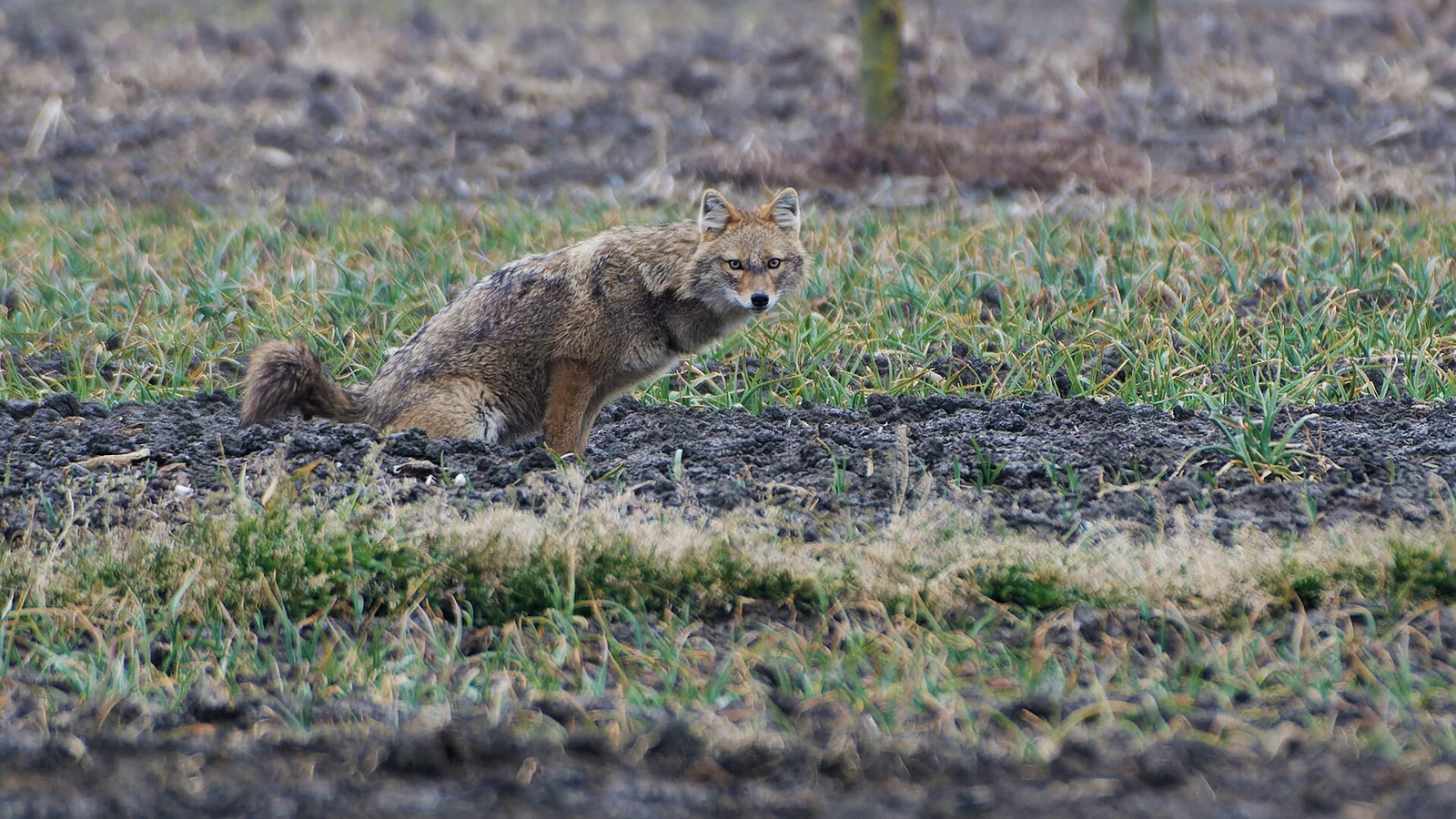
As they returned to the cage, a golden jackal trotted out of the grass. He noticed the Brahman’s pale face and the tiger’s hungry expression.
“What has happened?” asked the jackal.
The Brahman told him everything. The jackal listened with his head tilted to one side.
“I fear my mind is slow today,” he said. “The cage was walking along the road, and the Brahman was trapped inside the tiger. Is that correct?”
“No,” said the Brahman. “The tiger was inside the cage.”
The jackal blinked.
“So the road promised not to eat the tiger?”
The tiger growled. “You foolish animal. I was locked in the cage. This man opened the door.”
“Now I see,” said the jackal. “The Brahman was in the cage, and you opened it.”
“No!” roared the tiger. “I was in the cage.”
The jackal walked around the cage and examined the narrow door.
“That cannot be true. You are much too large. Show me where you stood, or I shall never understand the case.”
The Clever Judgment
The tiger was now more annoyed than hungry.
“Watch carefully,” he said.
He stepped through the iron door and stood inside the cage.
“This is how I was trapped. Do you finally understand?”
“Perfectly,” said the jackal.
He pushed the door shut and dropped the latch into place.
The tiger hurled himself against the bars. The cage shook, but the latch held.
“Let me out!” he shouted.
The jackal looked at the Brahman.
“Kindness is precious,” he said, “but kindness does not require you to trust a threat twice. Let the tiger remain where you found him. Perhaps the next person who comes along will first ask why the cage was built.”
The Brahman thanked the jackal. Together they walked down the road while the evening light faded through the trees.
Behind them, the tiger promised everything once again. This time, neither traveller lifted the latch.
Quick Summary
A Brahman frees a tiger from a cage after the animal promises not to hurt him. Once free, the hungry tiger breaks his promise. A pipal tree, a buffalo, and a road all say that ingratitude is common. A clever jackal pretends to misunderstand the story. He persuades the tiger to demonstrate how he stood in the cage, then closes the door and saves the Brahman.
What Is the Moral of the Story?
The central moral is that kindness should be guided by judgment. The Brahman’s compassion is admirable, but he ignores a clear danger. The jackal does not defeat strength with greater strength. He watches, asks questions, and lets the tiger’s pride create the solution.
The folktale also warns against ingratitude. The tiger gains freedom through another person’s mercy, then treats that mercy as weakness. The tree, buffalo, and road show a world made bitter by poor treatment. Their pain explains their answers, but it does not make the tiger’s betrayal right.
A useful reading is not “never help anyone.” It is “help without surrendering your ability to think.” Children can compare this lesson with The Monkey and the Crocodile, where calm thinking also defeats danger. For another tale about loyalty and moral choice, read Yudhishthira and the Dog.
Characters and What They Represent
- The Brahman: Compassion without enough caution. He keeps believing that fairness will protect him.
- The tiger: Power without gratitude. He uses promises only while they are useful.
- The jackal: Practical intelligence. His questions expose the facts and control the situation.
- The pipal tree, buffalo, and road: Wounded witnesses. Each has learned to expect selfish treatment.
- The cage: A physical trap for the tiger and a test of judgment for everyone else.
Vocabulary for Young Readers
- Brahman: In this story, a learned or religious Hindu man.
- Pipal tree: A large fig tree native to South Asia, also called the sacred fig.
- Gratitude: The feeling and expression of being thankful.
- Betrayal: Breaking trust or acting against someone who trusted you.
- Judgment: A decision made after considering facts.
- Cunning: Skill in reaching a goal through clever planning.
The Tiger, the Brahman and the Jackal Story With Questions and Answers
1. Why does the Brahman open the cage?
He feels pity for the trapped tiger and believes its promise of gratitude. His compassion is real, but he does not protect himself from an obvious risk.
2. What does the tiger do after he is freed?
The tiger immediately breaks his promise and announces that he wants to eat the Brahman because he is hungry.
3. Why do the first three judges support the tiger?
The pipal tree, buffalo, and road have all been used badly by others. Their own painful experiences have made them expect ingratitude everywhere.
4. Does their unhappiness prove that the tiger is right?
No. Their answers explain why they feel bitter, but another person’s cruelty does not justify a new betrayal. This distinction makes a strong classroom discussion.
5. How does the jackal save the Brahman?
He pretends that he cannot understand how the event began. The proud tiger enters the cage to demonstrate. The jackal then closes and secures the door.
6. Why is the jackal’s plan successful?
The jackal understands the tiger’s impatience and pride. Instead of arguing, he creates a situation in which the tiger proves the story and traps himself.
7. What mistake does the tiger make?
He mistakes clever questioning for stupidity. He becomes so eager to show his superiority that he stops noticing the danger.
8. What should the Brahman have done first?
He could have sought help, kept a safe distance, or studied the trap before opening it. Compassion and caution can work together.
9. What is the main conflict?
The main conflict is between the Brahman’s appeal to fairness and the tiger’s decision to use force. The jackal resolves it through intelligence.
10. What lesson can readers use in daily life?
Pause before acting under pressure. Check promises against behavior, ask questions, and do not let pity erase sensible boundaries.
Discussion and Writing Prompts
- Was the Brahman wise, foolish, kind, or all three? Support your answer with two events.
- Choose one judge. How did its past treatment shape its decision?
- Why does the jackal ask for a demonstration instead of calling the tiger a liar?
- Write a safer plan the Brahman could have used to help the tiger.
- Imagine the tiger has one night to think inside the cage. Write his honest apology.
- Compare the jackal with the quick-thinking monkey in The Monkey and the Crocodile. How are their methods similar?
About the Source and Free Text
This is an original, simplified retelling of a traditional tale. The plot follows “The Tiger, the Brahman, and the Jackal” as collected by folklorist Joseph Jacobs in Indian Fairy Tales. You can read the public domain source text at Standard Ebooks. Standard Ebooks also provides the complete collection as a free ebook.
For readers who want an older scanned edition, Flora Annie Steel’s Tales of the Punjab contains the tale and is available as a direct public domain PDF from Wikimedia Commons. The scan is a 1917 Macmillan edition with illustrations by J. Lockwood Kipling.
Continue exploring world folk stories, or read The Honest Woodcutter and the Magic Axe for another tale about truth and choices.
Image Credits
- Featured tiger photograph by Mustang Joe, CC0, via Wikimedia Commons.
- Walking Bengal tiger photograph by Giles Laurent, CC BY-SA 4.0, via Wikimedia Commons.
- Golden jackal photograph by Shiv’s fotografia, CC BY-SA 4.0, via Wikimedia Commons.